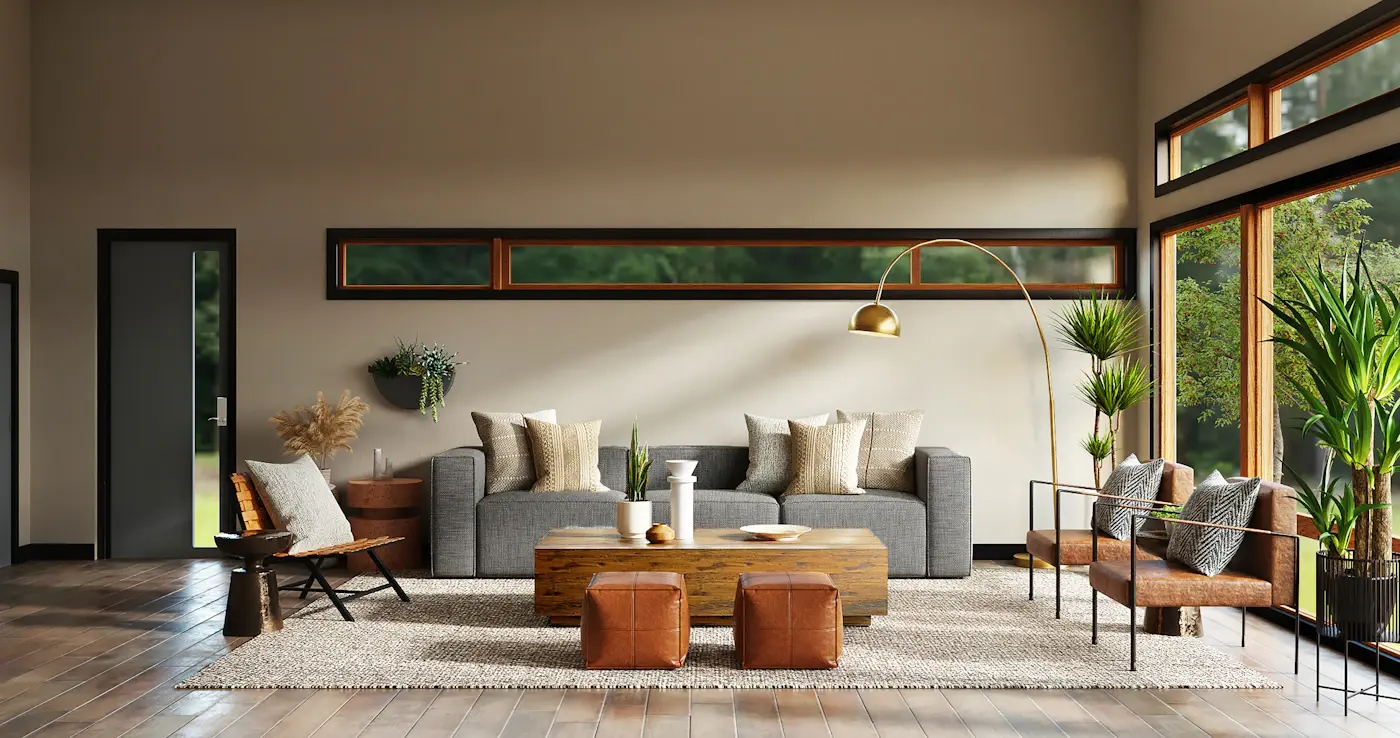
Make a room feel warmer with layers of light
Separate general light from reading light and decorative light. The aim is useful flexibility, not more fixtures everywhere.
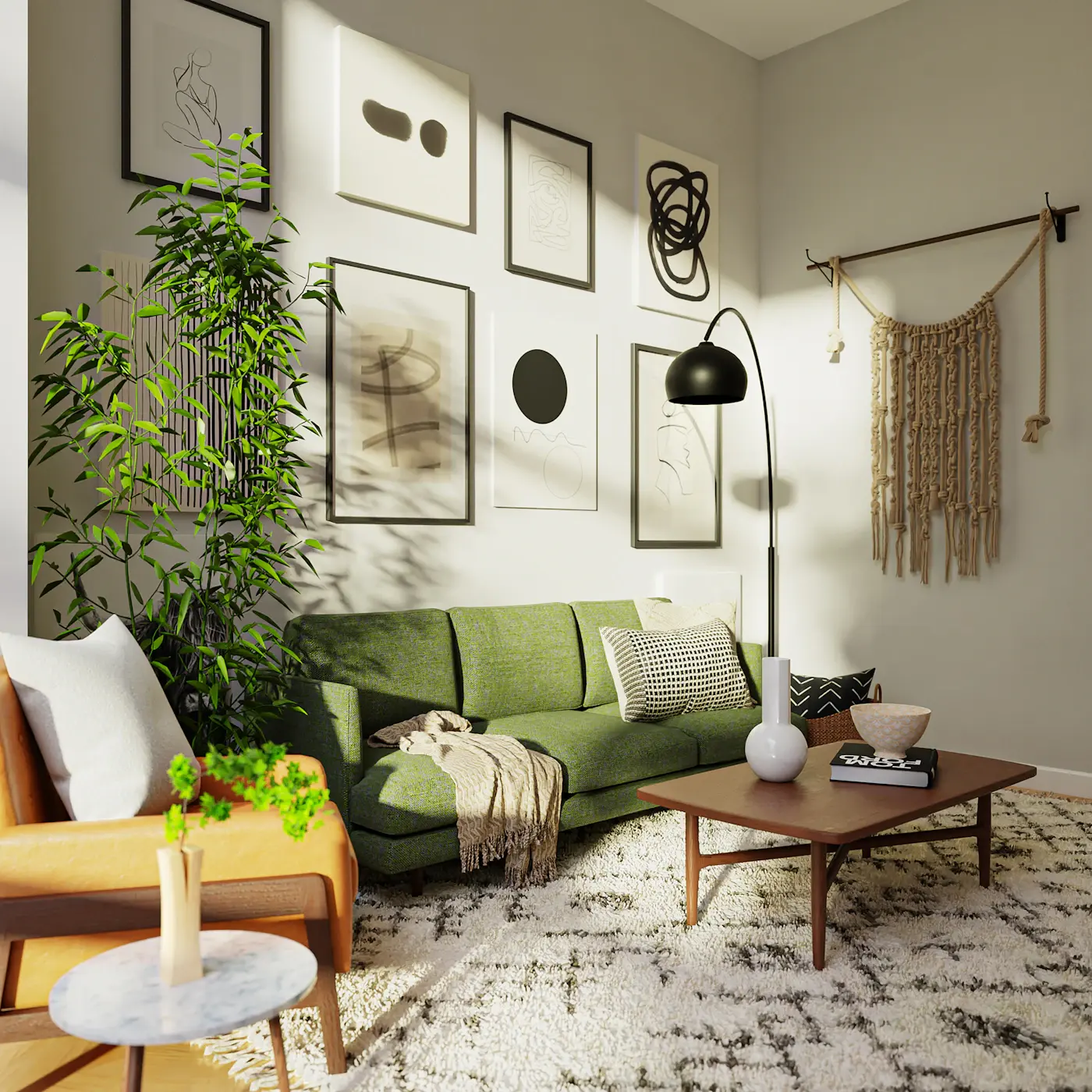
Notice when the room feels wrong
Look at the room in daylight and after dark. Identify the task that is difficult: reading, working, finding something in a cupboard, or moving between rooms. A single bright ceiling light may illuminate the floor while leaving a chair uncomfortable for reading.
Put light beside the task
Try a table or floor lamp near the seat or work surface. Place it so your body does not cast a shadow onto the page, and check for glare from your usual sitting position. An adjustable desk lamp can be useful when a work corner changes between screen use and paperwork.
Choose bulbs as part of the plan
Check the fixture’s fitting, maximum permitted wattage and any enclosure or dimming requirements. Compare brightness in lumens, then choose a color temperature that feels appropriate alongside existing lamps. Warmer color temperatures can suit evening relaxation; test a small change before replacing every bulb. Avoid mixing several noticeably different whites in one small view unless you intend that effect.
Plan the cable route
Measure the distance to an outlet before buying. Keep cords out of walking routes and away from heat or water. Do not run them under rugs or use a fixture where its safety rating is unsuitable. Electrical alterations and fixed wiring belong with a qualified professional; a styling guide cannot assess your installation.
Original editorial planning guidance. No firsthand product testing is claimed. Follow current manufacturer instructions for any installation or product use.